Enhance Your Career with our Mechanical Design Courses

Mechanical Design Head Image

In-demand Master Courses

(Domain Specialized)

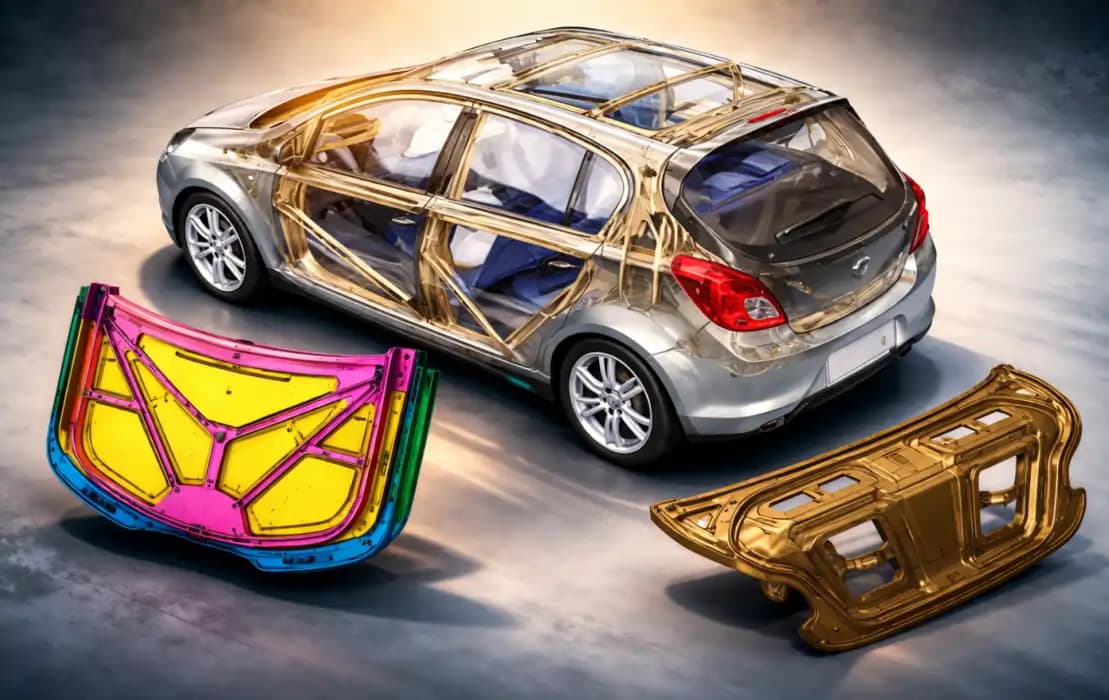
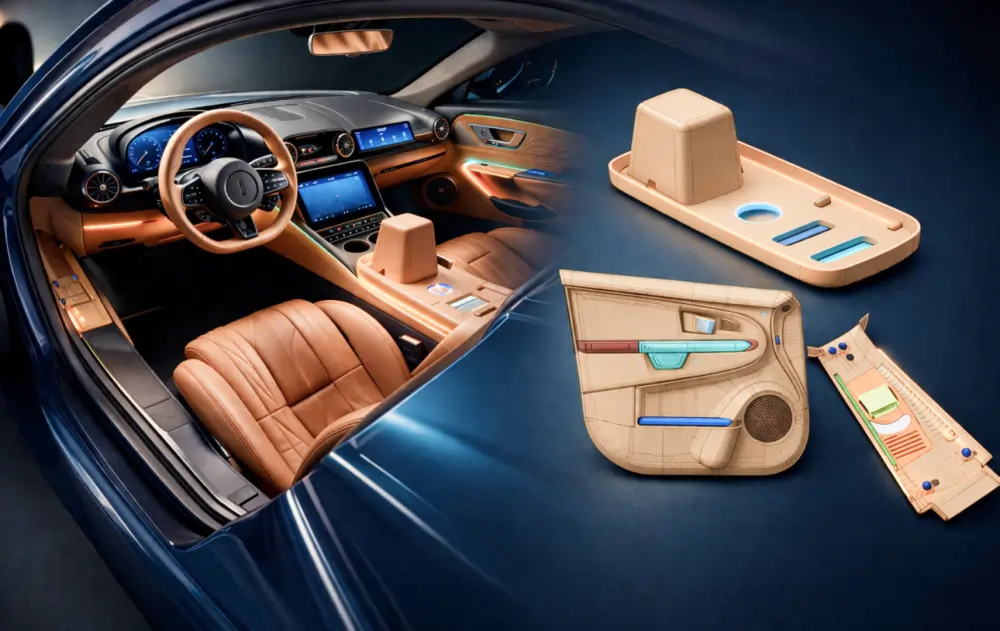
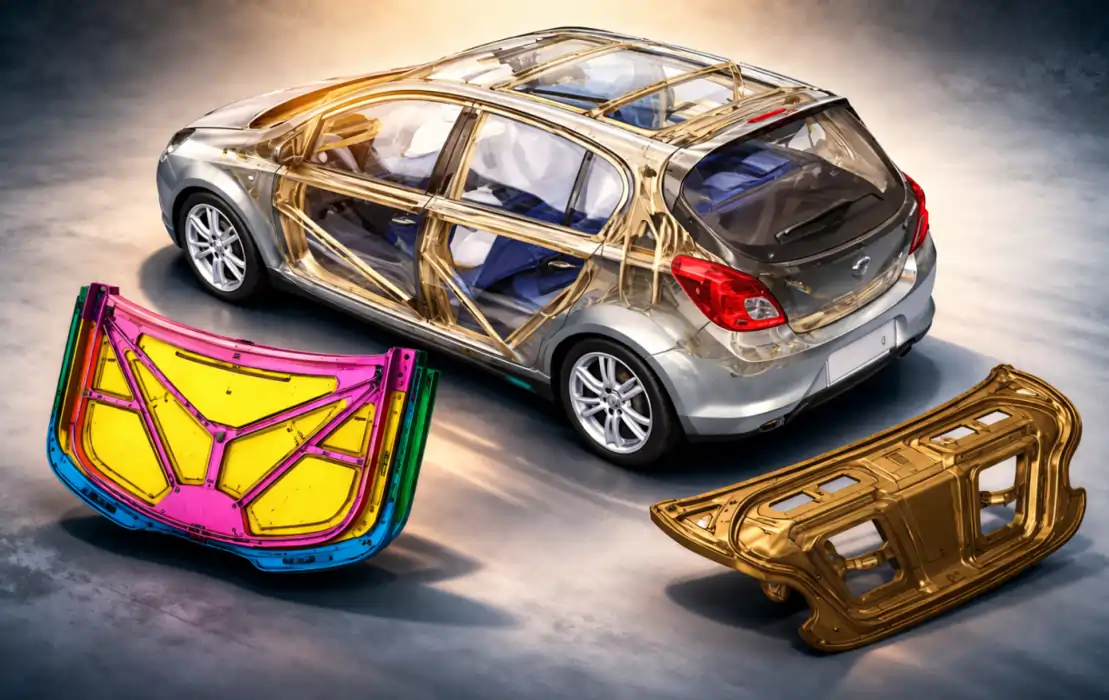
Master Course In Automotive Plastic Product Design
★★★★★
★★★★★
4.7 (8.7K)
Master Course In Automotive BIW Product Design
★★★★★
★★★★★
4.5 (7.3K)
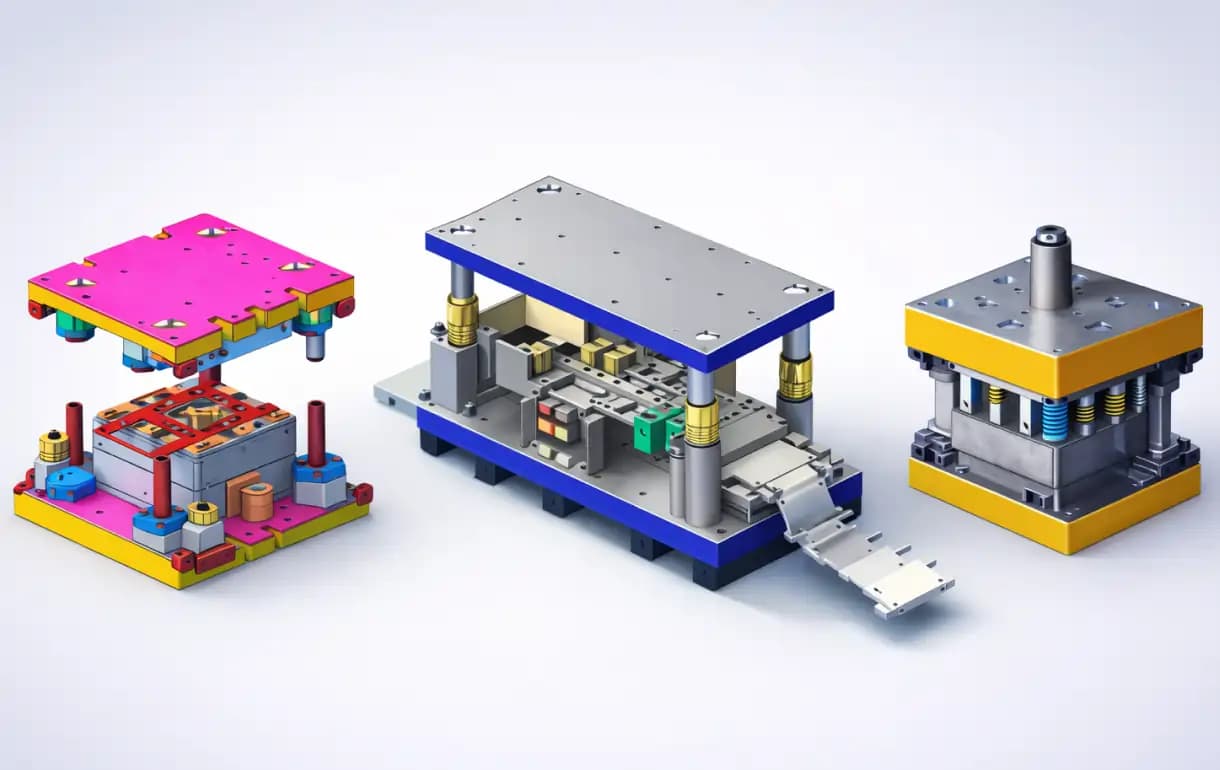
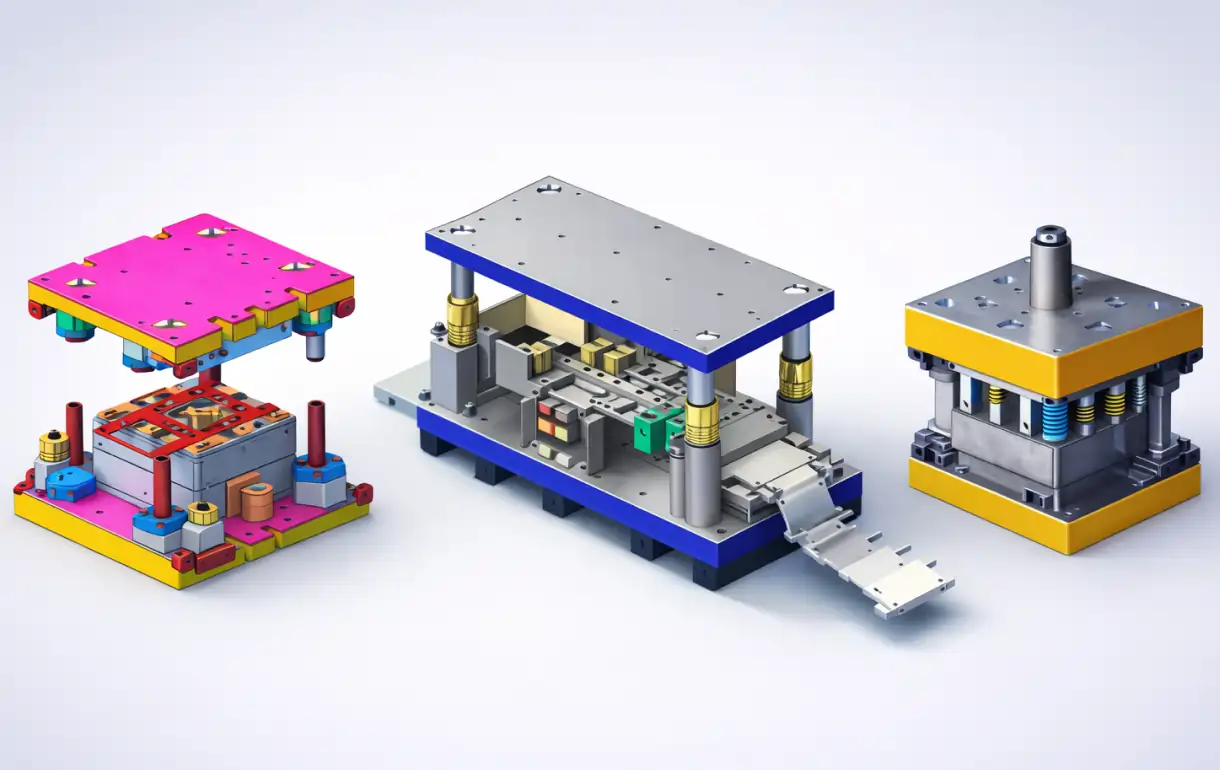
Master Course In Press Tool Design
★★★★★
★★★★★
4.1 (5.6K)
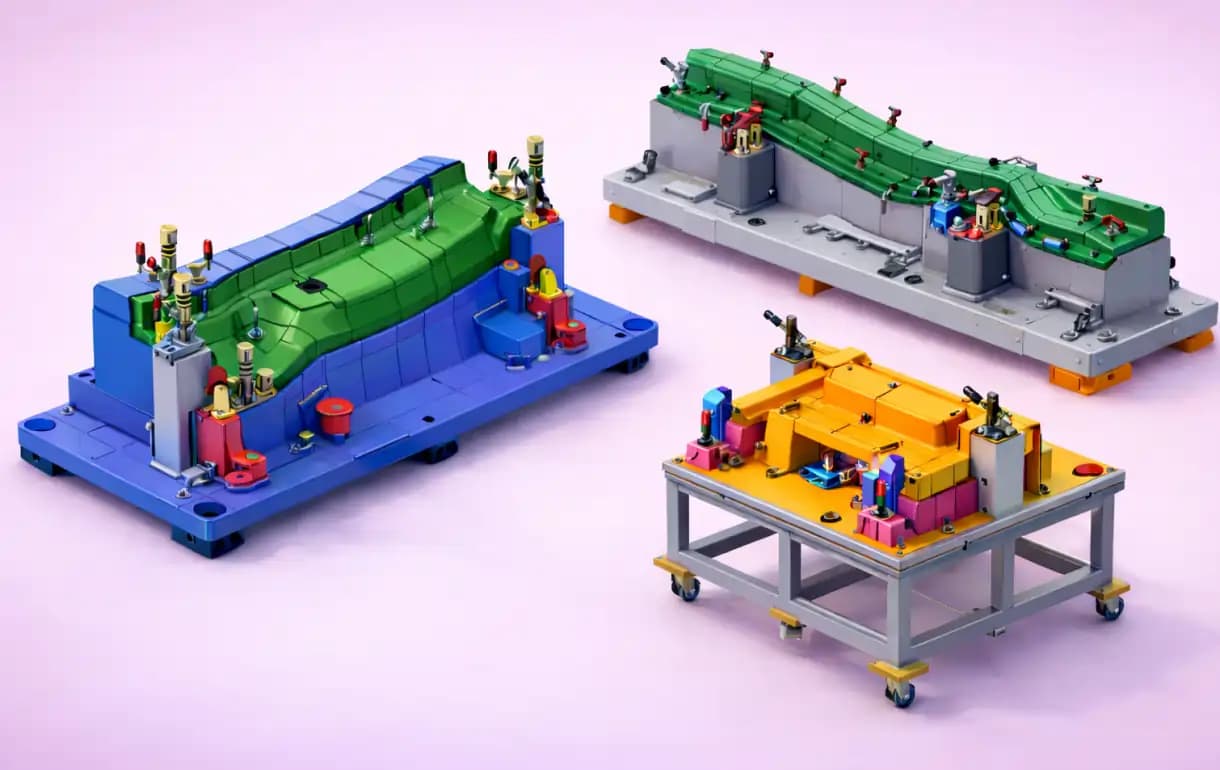
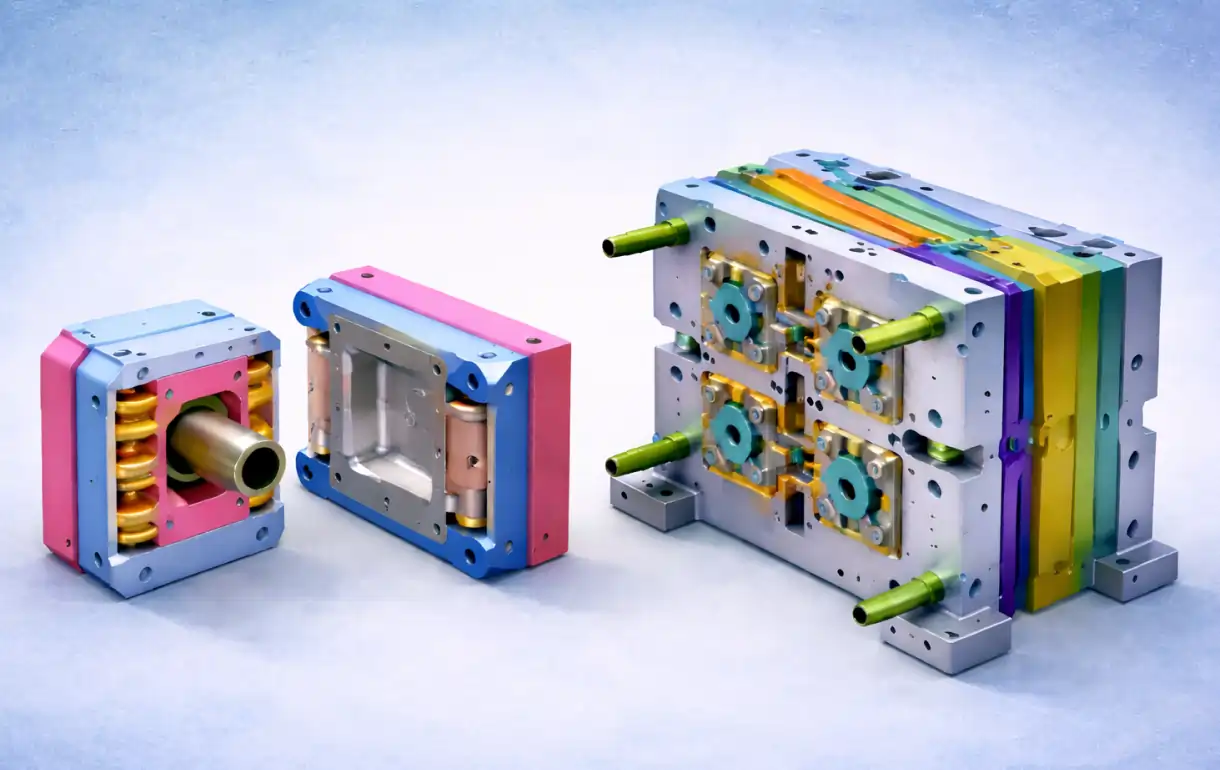
Master Course In Plastic Mold Design
★★★★★
★★★★★
4 (4.4K)

Benefits & Key Points:

Empowering Engineers with Real-World Mechanical Design Skills

Practical Projects

100% Practical Projects

Flexible Training

Flexible Training Modes

Experienced Trainers

Experienced Trainers

Video Access

24×7 Video Content

Live Assistance

Live Assistance

Certification

Global Certification

Placement

Placement Assistance

EMI Options

EMI Options Available

Best Mechanical Design Courses for Professional Engineering Growth

A mechanical design course trains engineers to design products that must work reliably in real-world conditions. Read More
Renault NissanLearMercedesAtherToyotaJohnsonTech MahindraSiemensAshok LeylandHondaEatonRenault NissanLearMercedesAtherToyotaJohnsonTech MahindraSiemensAshok LeylandHondaEaton

Trusted By 500+ Hiring partners

80% of our student secure jobs in top MNCs within 3 months

Renault NissanLearMercedesAtherToyotaJohnsonTech MahindraSiemensAshok LeylandHondaEaton
Student

Honest Reviews by Our Learners

All Mechanical Design Courses in One Place - with free Courses

Best Mechanical Design Learning That Transforms Engineers Into Professionals

Professional mechanical design learning is structured around how engineering work is actually performed in industry, not how it appears in textbooks. High-quality mechanical engineering design courses guide engineers through the complete design cycle, including requirement analysis, concept development, detailed design, validation, and production documentation.

Through well-planned mechanical design classes, learners develop discipline, consistency, and technical accuracy that directly impact job performance. Focused courses for mechanical design engineer roles strengthen essential engineering fundamentals. Mechanical design training courses emphasize load paths, tolerance stack-up analysis, material behavior under stress, and manufacturing feasibility. The best mechanical design courses train engineers to identify design risks early rather than reacting to failures during testing or production. This proactive approach defines strong professional mechanical design training.

As responsibilities increase, advanced mechanical design courses play a critical role in career development. These programs introduce system integration, functional analysis, design validation, and optimization techniques. At this stage, mechanical engineering design courses prepare engineers to handle complex assemblies and multi-component systems independently. Well-structured advanced mechanical design courses build confidence, authority, and technical leadership.

When engineers evaluate a mechanical design courses list, depth of learning matters far more than the number of tools covered. High-quality mechanical design training focuses on engineering reasoning rather than shortcuts. Structured mechanical design classes teach engineers how to justify every decision using fundamentals, standards, and real constraints. This discipline clearly separates professional engineers from basic CAD users.

Mechanical design learning also improves collaboration between design, manufacturing, and quality teams. Mechanical engineering design courses explain how design decisions influence production efficiency, inspection processes, cost control, and long-term maintenance. Engineers who understand these interactions create designs that are easier to manufacture, assemble, and service. This systems perspective is essential in modern engineering organizations.

At Isopara, this approach to professional mechanical design training is supported by a broader ecosystem of industry-focused programs. Engineers can strengthen their skills through CAD learning in CATIA V5, UG-NX, and SolidWorks, while reinforcing fundamentals through structured mechanical design training courses. Learners may also build domain expertise through Automotive Plastic Product Design, Automotive BIW Product Design, and Consumer Plastic Product Design programs using CATIA and NX. This integrated learning environment supports readiness for mechanical design certification, which validates real industry competence.

WHY
CHOOSE us?

100% Practical Projects
Experienced Trainers
Live Assistance
Live Assistance
Global Certification
Placement Support
Placement Support
Why choose us

FAQs about this Course

Find answers to the most commonly asked questions

Gain Real-World Experience with Live Industry Projects

Work on Real Industry Problems

Work on live mechanical challenges companies face.

Collaborate with Industry Experts

Connect with engineers and mentors for guidance.

Build a Professional Portfolio

Highlight your portfolio to stand out in hiring.

Build a Professional Profile

Gain real skills with professional design software.

Enhance Your Career with our Mechanical Design Courses

Join industry experts and gain practical skills through hands-on projects and real-world applications. Perfect for both beginners and professionals.

Global Learning Platform for Mechanical Engineers

Mechanical Design Head Image

In-demand Master Courses ( Domain Specialized )

Why Choose Isopara

Empowering Engineers with Real-World Mechanical Design Skills

icon

100% Practical CAD Design Projects

icon

Online, Classroom & Flexible Training Modes

icon

Experienced Industry Certified Trainers

icon

Real-time 3D Modeling & Simulation Projects

icon

Globally Recognized Design Certification

icon

Placement Assistance in Top Mechanical Firms

icon

Access to Recorded Classes & Support Forums

icon

Affordable Course Fees with EMI Options

Join 5000+ students who have built successful careers through Isopara’s mechanical design programs.
Trusted by Leading Companies & HR Professionals
CumminsLarsen & ToubroRenault NissanLearToyotaHeroTech MahindraJohnson ControlsAtherMercedes-BenzHyundaiFordSiemensAshok LeylandHondaEatonREE InternationalVisteonVolvoTata MotorsMitsubishiOLA ElectricJSW SteelGodrej ToolingMaruti SuzukiVVDNForce MotorsEicherBoschMahindraCumminsLarsen & ToubroRenault NissanLearToyotaHeroTech MahindraJohnson ControlsAtherMercedes-BenzHyundaiFordSiemensAshok LeylandHondaEatonREE InternationalVisteonVolvoTata MotorsMitsubishiOLA ElectricJSW SteelGodrej ToolingMaruti SuzukiVVDNForce MotorsEicherBoschMahindra

Thousands of students are trained, and they are now successfully working at over 1000 MNCs !

Check out the reviews from HR professionals about our graduate’s performance

HR Professional

Best Mechanical Design Courses for Professional Engineering Growth

A mechanical design course is the backbone of professional engineering practice because it trains engineers to design products that must work reliably in real-world conditions. In modern industries, mechanical engineers are responsible for safety, functionality, durability, cost effectiveness, and manufacturability. This level of responsibility cannot be handled through software knowledge alone. Well-structured mechanical engineering design courses help engineers understand how design decisions affect the complete product lifecycle, from concept to production and long-term use.

Strong mechanical design training focuses on engineering behavior rather than surface-level modeling. Engineers learn how components respond to static and dynamic loads, vibration, thermal expansion, fatigue, and wear. The best mechanical design courses explain how geometry, tolerances, and material selection directly influence strength, reliability, and service life. Through continuous mechanical design training, engineers develop the judgment required to prevent failures before they occur.

Professional mechanical design classes also emphasize design intent and communication. Engineers must clearly explain why a design choice was made, how it meets functional requirements, and how it can be manufactured efficiently. Industry-aligned mechanical engineering design courses train engineers to create drawings and documentation that reduce ambiguity and production errors. These mechanical design classes build confidence during design reviews and cross-functional discussions.

For engineers moving from academic environments into industry, courses for mechanical design engineer roles play a critical role. Academic education often emphasizes theory, while industry requires applied decision-making under constraints. Structured mechanical design training courses focus on applied logic, real tolerances, material limitations, and manufacturing realities. This practical exposure is why professional mechanical design training is highly valued by employers.

As engineers progress in their careers, advanced mechanical design courses become increasingly important. Senior engineers must consider system-level performance, assembly interactions, serviceability, and long-term reliability. The best courses for mechanical design engineer growth focus on ownership, accountability, and risk reduction. These advanced mechanical design courses prepare engineers for leadership, specialist, and high-responsibility roles.

A strong mechanical design course also supports long-term career stability. Tools and software may change, but engineering fundamentals remain constant. This is why mechanical engineering design courses, mechanical design training, and professional mechanical design training continue to be essential across industries such as automotive, industrial machinery, consumer products, and heavy engineering.

quote
Honest Reviews by Our Learners

Every success story starts with a single step. See how thousands of learners upskilled, switched domains, and built rewarding mechanical careers with us.

All Mechanical Design Courses in One Place

All Mechanical Design Courses in One Place
Loading courses...

Best Mechanical Design Learning That Transforms Engineers Into Professionals

Professional mechanical design learning is structured around how engineering work is actually performed in industry, not how it appears in textbooks. High-quality mechanical engineering design courses guide engineers through the complete design cycle, including requirement analysis, concept development, detailed design, validation, and production documentation. Through well-planned mechanical design classes, learners develop discipline, consistency, and technical accuracy that directly impact job performance.

Focused courses for mechanical design engineer roles strengthen essential engineering fundamentals. Mechanical design training courses emphasize load paths, tolerance stack-up analysis, material behavior under stress, and manufacturing feasibility. The best mechanical design courses train engineers to identify design risks early rather than reacting to failures during testing or production. This proactive approach defines strong professional mechanical design training.

Loading Ads...

Frequently Asked Questions

Find answers to the most commonly asked questions

1. What does a mechanical design course typically cover?

toggle

A mechanical design course covers component design, assembly development, engineering drawings, tolerance application, and manufacturing considerations. It explains how parts behave under real operating conditions such as load, vibration, fatigue, and wear. This prepares engineers to take responsibility in real industrial projects.

2. Who should enroll in mechanical engineering design courses?

toggle

Mechanical engineering design courses are suitable for students, diploma holders, and working professionals. They help beginners build strong fundamentals and support experienced engineers in refining applied skills.

3. Are mechanical design classes useful for working professionals?

toggle

Yes, mechanical design classes are highly beneficial for working professionals.

4. What makes the best mechanical design courses different from basic CAD learning?

toggle

The best mechanical design courses focus on engineering logic, standards, and real-world constraints.

Gain Real-World Experience with Live Industry Projects

Learn through industry projects with step-by-step video guidance from experts.

  • Work on Real Industry Problems

    Solve actual mechanical design challenges faced by companies, offering practical exposure beyond academic theory.

  • Build a Professional Portfolio
  • Collaborate with Industry Experts
  • Hands-on CAD Experience