Efficiency Unleashed: The Regenerative Braking System in Modern Cars
In the quest for more efficient and eco-friendly transportation, the automotive industry has embraced a remarkable technology known as the regenerative braking system. This system isn't just a leap forward in braking performance; it's a leap toward sustainability and energy conservation. In this blog, we'll delve into the world of regenerative braking, exploring how it works, its applications in modern cars, and the environmental benefits it brings to the road.
2023-09-28

What is a Regenerative Braking System?
At its core, regenerative braking is a technology that recovers and stores energy that would otherwise be lost as heat during braking. In conventional vehicles, when you apply the brakes, friction between the brake pads and rotors dissipates kinetic energy as heat. This energy is wasted, contributing to reduced fuel efficiency and increased wear on brake components.
How Does Regenerative Braking Work?
In contrast, regenerative braking systems work by converting this kinetic energy into electrical energy. Here's how it typically operates:
1. Kinetic Energy Conversion: When you apply the brakes or decelerate, the regenerative braking system engages. The electric motor(s) in the vehicle operate as generators, converting the kinetic energy of the moving vehicle into electrical energy.
2. Energy Storage: The generated electrical energy is then directed to a storage device, typically a high-capacity battery. This energy can be stored for later use, such as acceleration or powering vehicle accessories.
3. Friction Braking: If additional braking force is needed beyond what regenerative braking can provide, traditional friction brakes (like disc brakes) are applied. However, they are used less frequently, reducing wear and heat generation.
Applications in Current Cars
Regenerative braking is prominently featured in hybrid and electric vehicles, where it plays a central role in energy efficiency:
1. Hybrid Vehicles: Hybrid cars, like the Toyota Prius, use regenerative braking to recover energy while driving. This energy is stored in a battery and can power the electric motor or assist the internal combustion engine, improving fuel efficiency.
2. Electric Vehicles (EVs): Electric vehicles, such as the Tesla Model 3, rely entirely on regenerative braking for slowing down. This not only enhances braking efficiency but also extends the vehicle's range by recapturing energy that would be wasted in traditional vehicles.
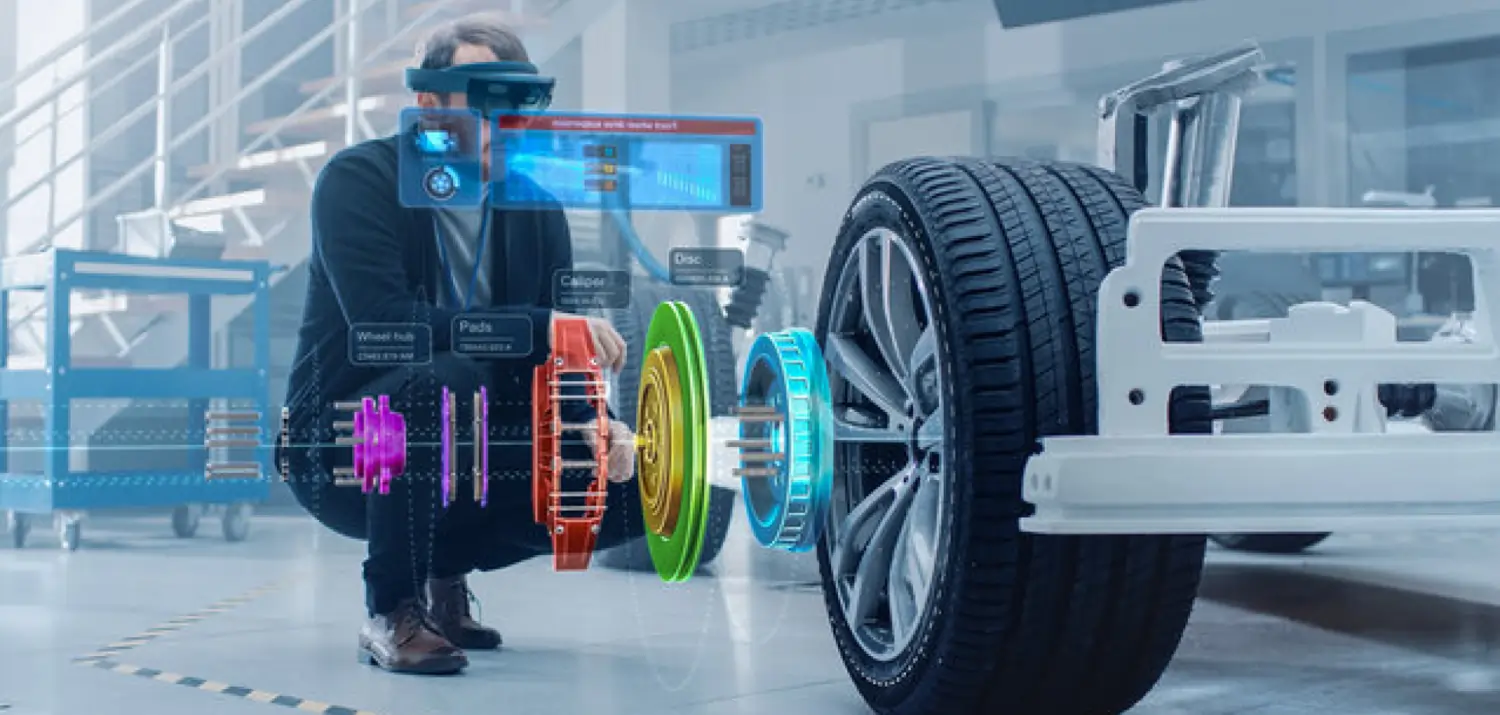
Benefits of Regenerative Braking:
1. Improved Efficiency: Regenerative braking significantly reduces energy waste during braking, improving overall vehicle efficiency and fuel economy.
2. Extended Range: In electric vehicles, regen braking can add precious miles to the vehicle's range, allowing for longer journeys between charges.
3. Reduced Brake Wear: Less reliance on traditional friction brakes leads to reduced wear and tear, resulting in longer brake component lifespan and reduced maintenance costs.
4. Eco-Friendly: Regenerative braking reduces greenhouse gas emissions by conserving energy and reducing fuel consumption.
5. Enhanced Driving Experience: Regen braking can provide smoother and more predictable braking, enhancing the driver's experience.
Conclusion: A Greener Road Ahead
The regenerative braking system is more than just a technological marvel; it's a critical step toward eco-friendly transportation. By harnessing the power of energy recovery during braking, modern cars equipped with regen braking are not only more efficient but also more sustainable. As this technology continues to evolve, we can look forward to more environmentally friendly and energy-efficient vehicles on our roads, contributing to a greener and more sustainable future for transportation
Author

Naresh Kumar ( Sr. Design Engineer)
Total 4 Blogs viewSr. Design Engineer with 6+ years of experience with plastic trims-Exteriors and Interiors. Working with some big names in the industry, like OEMs and Tier-1 suppliers.
Author’s journey so far:
My journey started after finishing my BTech degree, and I felt lost. People around me suggested that to try competitive exams like GATE, PSUs, and IES. So, I gave it my all for two years, but it didn't feel right for me. I then shifted my focus to government exams, like the Bank PO exam, hoping for a better fit. But even that didn't work out as planned. At this point, I realized that I wanted to do something related to mechanical engineering, my field of study. I discovered the design engineer role, which sounded interesting and had a promising future. I began wondering how I could break into this field. That's when I stumbled upon isopara.com, a place that seemed to hold the key to my future. I read blogs and reviews about Isopara, and I was impressed. So, I decided to take a chance and called their office. Our discussion opened up new possibilities that changed the direction of my life. So, I packed my bags and left my hometown for Pune. I got a joined course at ISOPARA the very next day, in Plastic trims. At first, I didn't know what I was doing, but I followed their instructions to the letter. Every day was a new challenge, but I kept at it, doing assignments and exercises. I was learning the ins and outs of design, from the basics to the advanced stuff, using CATIA. Fast forward six years, and here I am, working with some big names in the industry, like OEMs and Tier-1 suppliers. It's been quite a journey from that phone call to where I am today.
Course done and recommended by Author:
Share This Page



Other Trending Videos
- 3-Steps || Choose the Right CAD Software with the Right Domain
- Roadmap || Become an Automotive Design Engineer in BIW Domain.
- Roadmap || Become an Automotive Design Engineer in Plastic Domain
- Not Getting Interview CALLS? || Career Guidance
- Mechanical Design Jobs || Domain Skill
- Why CAD and its Importance? || By Experts
- Difference || CAD Engineer Vs Design Engineer
- Best CAD Software to Learn & Build a Career || By Experts
- Best CAD Software to Learn || Most Demanded by Industries
- How to Become a Design Engineer? || By Expert.